

Every successful construction project begins with one important decision—how the project will be delivered.
Many people focus on the building itself, the architectural drawings or the construction budget. However, one of the biggest factors that determines whether a project is completed on time, within budget and to the expected quality is the project delivery method.
One delivery method that has become increasingly popular across the world is Design and Build.
Instead of hiring separate consultants for design and then appointing a contractor later, Design and Build allows one company to manage both the design and construction phases under a single contract.
This integrated approach simplifies communication, improves collaboration and often leads to faster, more efficient project delivery.
As businesses and developers in Nigeria continue to seek greater value from their construction investments, Design and Build is becoming a preferred choice for commercial, industrial and institutional developments.
At Rosettee Construction, we understand that every successful building starts long before construction begins. Through our Design and Build approach, we help clients transform ideas into practical, efficient and durable developments while reducing unnecessary complexity throughout the project lifecycle.
What Is Design and Build Construction?
Design and Build is a construction procurement method in which one company takes responsibility for both designing and constructing a project.
Instead of signing separate agreements with an architect, engineers and a building contractor, the client appoints one organisation that coordinates the entire process.
The Design and Build contractor becomes responsible for translating the client’s vision into detailed designs, obtaining the required engineering input, managing procurement, supervising construction and delivering the completed project.
This creates a single point of responsibility throughout the project.
Rather than managing several consultants independently, the client works with one integrated project team from concept to completion.
How Does Design and Build Work?
Every project is different, but the Design and Build process generally follows a structured sequence.
The project begins with discussions between the client and the Design and Build contractor. During these meetings, the client’s objectives, operational needs, preferred budget and expected completion period are carefully reviewed.
Once the project requirements are understood, architects and engineers begin developing concepts that satisfy both the client’s vision and the practical realities of construction.
Unlike traditional procurement methods where designers may work independently, Design and Build encourages continuous collaboration between designers and construction professionals from the beginning.
As the design develops, construction specialists provide practical advice on buildability, material selection, project scheduling and cost control.
This means important decisions are made before work starts on site, reducing the likelihood of expensive redesigns later.
After the design is approved, procurement begins and construction activities are carried out under the supervision of the same integrated team that developed the project.
Because everyone is working towards the same objectives, communication is generally faster and project coordination becomes much more efficient.
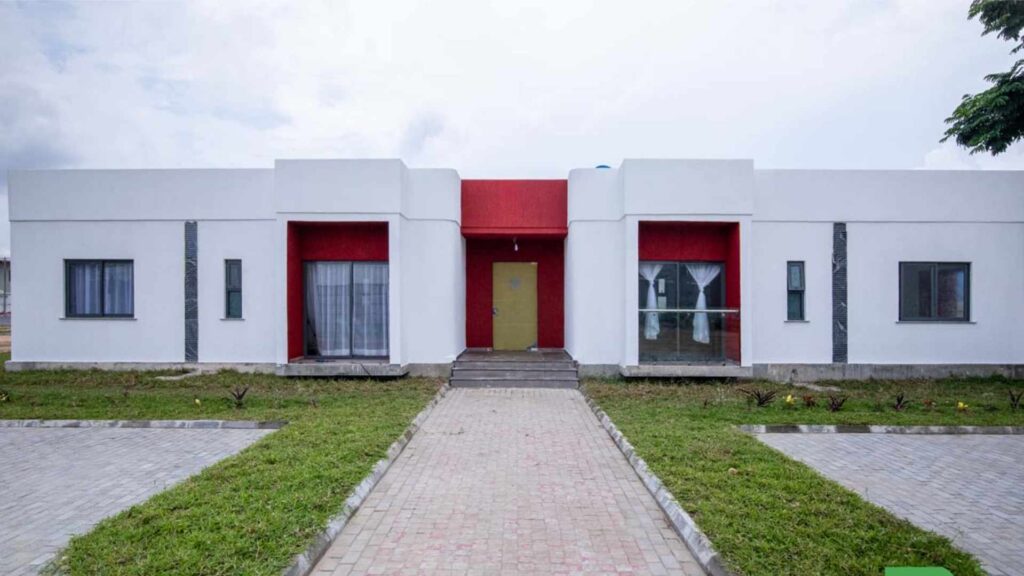
Traditional Construction vs Design and Build
For many years, the traditional Design-Bid-Build method has been the most common way of delivering construction projects.
Under this arrangement, the client first appoints consultants to prepare detailed drawings and specifications.
Once the designs are completed, contractors are invited to submit bids. After a contractor has been selected, construction begins.
While this process has been successful for many projects, it also creates separate responsibilities.
Designers focus on design.
Contractors focus on construction.
When challenges arise, disagreements can occur regarding responsibility for delays, design changes or construction issues.
Design and Build reduces many of these challenges because the same organisation is responsible for both functions.
Instead of separate teams working independently, everyone collaborates from the earliest stages of the project.
This integrated approach often improves decision-making and reduces unnecessary conflict.
Why More Developers Are Choosing Design and Build
Construction projects have become increasingly complex.
Clients now expect faster delivery, greater cost certainty, improved sustainability and higher-quality facilities.
Design and Build helps meet these expectations because the project team works collaboratively from the outset.
One of the biggest advantages is improved communication.
When architects, engineers, procurement specialists and construction managers belong to the same project team, information moves much faster.
Questions are resolved earlier.
Potential design conflicts are identified before construction begins.
Construction methods can also influence design decisions immediately instead of requiring lengthy redesign processes.
This integrated workflow often saves both time and money.
Better Cost Control
One of the most common concerns among property owners is cost.
Construction budgets are affected by material prices, labour costs, logistics, inflation and design changes.
When designers and contractors work independently, a design may be completed without fully considering construction costs.
As a result, the project may exceed the client’s budget before construction even begins.
Design and Build reduces this risk.
Construction professionals participate during the design stage, helping the team recommend practical alternatives that maintain quality while improving cost efficiency.
Rather than redesigning the project later, cost considerations become part of the design process itself.
This creates greater budget certainty for the client.
Faster Project Delivery
Time is often one of the most valuable resources in construction.
Businesses opening new facilities, manufacturers expanding production or developers preparing commercial properties for tenants all benefit from shorter construction programmes.
Because Design and Build overlaps certain activities, projects can often progress more quickly than under traditional procurement.
While detailed design continues for some sections of the project, procurement planning and site preparation may already be underway where appropriate.
This integrated scheduling reduces unnecessary waiting periods between project stages.
Although every project has unique requirements, many clients appreciate the improved efficiency that Design and Build provides.
Improved Collaboration
Construction projects involve numerous specialists.
Architects.
Structural engineers.
Mechanical engineers.
Electrical engineers.
Quantity surveyors.
Procurement officers.
Project managers.
Site supervisors.
Under separate contracts, these professionals may work with different priorities.
Design and Build encourages them to function as one coordinated team.
Problems are solved collectively rather than being transferred from one organisation to another.
This collaborative environment improves project quality while reducing delays caused by poor communication.
Reduced Project Risk
Every construction project contains uncertainty.
Unexpected ground conditions, material shortages, design revisions or changing client requirements can all affect progress.
While no procurement method can eliminate risk completely, Design and Build helps manage many of these uncertainties more effectively.
With one organisation responsible for both design and construction, accountability becomes much clearer.
Instead of multiple parties debating responsibility, the Design and Build contractor coordinates solutions internally.
This simplifies decision-making and provides greater confidence for the client.
Higher Buildability
A beautiful design is only successful if it can be constructed efficiently.
Sometimes architects create concepts that require expensive construction techniques or difficult site operations.
When construction professionals participate during the design stage, they provide valuable feedback regarding buildability.
This allows the design team to produce solutions that remain attractive while also being practical to construct.
The result is often fewer site modifications, reduced material waste and improved construction quality.
Better Innovation
Innovation is another strength of the Design and Build approach.
Because design and construction teams collaborate closely, they continuously evaluate better ways to achieve the client’s objectives.
They may recommend alternative structural systems, more efficient materials, improved building layouts or sustainable construction methods.
Innovation therefore becomes part of the project rather than an afterthought.
Is Design and Build Suitable for Every Project?
Design and Build delivers excellent results for many developments, but project teams should evaluate each project individually to determine the most suitable delivery approach.
Commercial offices, factories, warehouses, educational facilities, healthcare buildings, hotels, logistics centres and industrial plants often benefit significantly from integrated project delivery.
Clients who value faster decision-making, improved cost control and simplified communication frequently prefer this approach.
However, some specialised developments may require separate procurement arrangements because of regulatory, contractual or operational requirements.
An experienced construction company can help determine which delivery method best supports the project’s objectives.
Common Misconceptions About Design and Build
Some people believe that Design and Build reduces design quality because construction considerations influence architectural decisions.
In reality, the opposite is often true.
Good Design and Build companies combine experienced architects with skilled engineers and construction professionals.
The objective is not to reduce creativity but to ensure that creative ideas remain practical, affordable and buildable.
Another misconception is that Design and Build removes client involvement.
Clients remain actively engaged throughout the project.
Major design decisions, budgets and project milestones continue to require client approval.
The difference is that communication is simplified through one coordinated project team.
Why Businesses Choose Rosettee Construction
Rosettee Construction understands that construction projects represent long-term investments.
Our Design and Build approach focuses on understanding the client’s operational objectives before developing practical engineering and construction solutions.
By integrating design, procurement and construction, we help reduce unnecessary complexity while improving coordination throughout the project.
Our multidisciplinary professionals work together from concept development to project completion, ensuring that engineering decisions support functionality, quality, cost efficiency and long-term value.
Rather than treating design and construction as separate activities, we approach them as parts of one continuous process.
This integrated philosophy supports better communication, faster problem-solving and improved project outcomes.
Frequently Asked Questions
What is Design and Build construction?
Design and Build is a project delivery method where one company manages both the design and construction of a project under a single contract.
How is Design and Build different from traditional construction?
Traditional procurement separates design and construction into different contracts. Design and Build combines both responsibilities within one integrated organisation.
Does Design and Build reduce project costs?
While every project is different, involving construction professionals during the design stage often improves cost control by identifying practical solutions before construction begins.
Is Design and Build faster?
Many Design and Build projects achieve shorter delivery periods because design, procurement and construction activities are better coordinated.
Who owns the design?
The ownership and intellectual property arrangements are determined by the construction contract. Clients should discuss these details before the project begins.
What types of projects are suitable?
Commercial buildings, warehouses, factories, offices, healthcare facilities, educational buildings and many industrial developments are well suited to the Design and Build approach.
Does Rosettee Construction provide Design and Build services?
Yes. Rosettee Construction provides integrated Design and Build solutions for commercial, industrial and institutional projects across Nigeria.
Conclusion
The success of a construction project depends on more than good drawings or quality materials.
It depends on how effectively the entire process is planned, coordinated and managed.
Design and Build offers a practical solution for clients who want greater efficiency, clearer communication and better integration between design and construction.
By bringing architects, engineers and construction professionals together from the beginning, projects benefit from stronger collaboration, improved cost control and more efficient delivery.
For many businesses and developers in Nigeria, this integrated approach provides the confidence needed to move from concept to completion with fewer complications.
At Rosettee Construction, our Design and Build philosophy reflects our commitment to delivering projects that combine engineering excellence, practical construction knowledge and long-term value.
Whether you are planning a commercial development, industrial facility or institutional project, our team is ready to help transform your vision into reality.
Start Your Next Project with Rosettee Construction
Planning a commercial, industrial or infrastructure project?
Contact Rosettee Construction today to learn how our Design and Build approach can simplify your project, improve efficiency and deliver lasting value from concept to completion.